
A Hollywood smile is a cosmetic ideal built around teeth that look straight, bright, symmetrical, and camera-ready.
In modern dentistry, that look is often created with veneers and other aesthetic treatments that reshape the visible surface of the teeth.
Its origin was not a luxury treatment for everyday patients.
Early Hollywood needed a fast visual fix for actors whose smiles had to look flawless under studio lights and on film.
What began as a practical solution for movie production later became a long-term cosmetic treatment after advances in dental materials and bonding methods made veneers far more durable.
Let’s talk about it.
Dr. Charles Pincus and the Origin of the Hollywood Smile
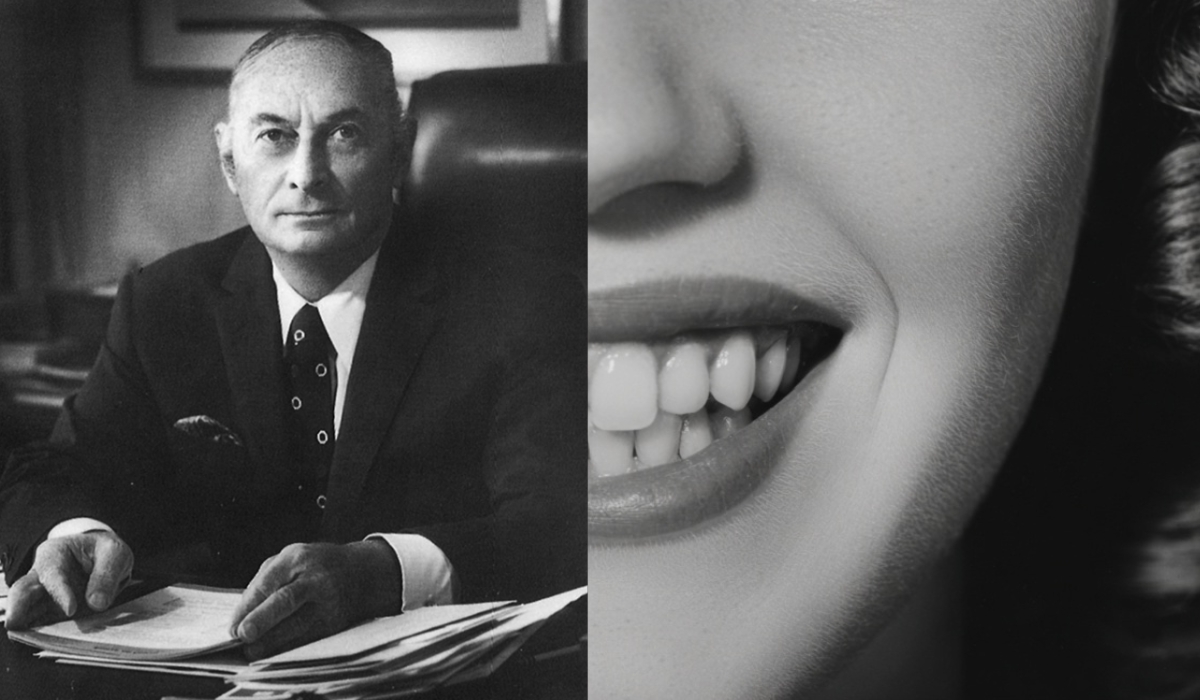
Dr. Charles Pincus is widely recognized as the central figure in the creation of the Hollywood smile and the earliest dental veneers.
Historical accounts place his first veneer work in 1928, when he developed cosmetic dental coverings for film actors who needed a more polished appearance on screen.
At that time, movie studios placed enormous pressure on performers to look flawless under bright lights and in close-up shots.
Teeth that appeared uneven, dark, chipped, or poorly shaped could become much more noticeable on film than in ordinary life. Pincus responded to that problem with a dental solution designed for the visual demands of cinema.
His work came at a moment when Hollywood was building a powerful star system. Studios carefully controlled the public image of actors, and facial appearance played a major role in that process.
A smile was not treated as a small detail. It was part of screen identity, publicity photography, and audience perception.
Pincus understood that teeth affected more than beauty alone. They also shaped how youthful, healthy, polished, and confident a performer appeared in front of the camera.
- First veneer work is consistently dated to 1928.
- Earliest cosmetic coverings were created for film actors, not for routine dental patients.
- His work focused on improving on-camera appearance during an era when screen image carried major commercial value.
His reputation grew quickly during Hollywood’s Golden Age. Major stars turned to him for help, and his name became closely associated with glamour dentistry.
Over time, he became known as the Dentist to the Stars.
That label matched both his famous clientele and his influence on one of the most recognisable beauty standards in American popular culture.
Pincus also understood that cosmetic dental work could affect performance itself.
Actors needed smiles that looked balanced and bright on camera, but they also needed to feel secure when speaking, smiling, or appearing in emotional close-ups.
A performer who felt self-conscious about their teeth might hold back in scenes that required warmth, charm, or confidence.
Why It Is Called the Hollywood Smile
Name of the Hollywood smile comes directly from the movie industry, where dental appearance became part of a performer’s public image. In classic studio culture, every visible feature mattered.
Teeth were especially important because close-ups, publicity photos, and carefully staged scenes made smiles highly noticeable.
Straight, bright, symmetrical teeth helped actors appear polished, healthy, and photogenic, which made dental appearance a valuable part of star presentation.
Hollywood did not simply popularize the look after it already existed. Film culture played a direct role in its early development. Actors often needed fast cosmetic enhancement for production, and temporary veneers answered that need.
Smile design was connected to filming demands, studio image control, and continuity on screen.
That industry context explains why the phrase became attached to Hollywood rather than to dentistry in general.
For patients dealing with sudden dental pain, broken teeth, lost restorations, or infections, an Akutt Tannlege can provide same-day care in Oslo, including urgent examinations, X-rays, extractions, root canal treatment, and temporary fillings.
What the First Veneers Were Like
First veneers were temporary restorations rather than permanent dental treatments.
Pincus designed them to change the visible shape, color, and overall look of an actor’s teeth during filming. Immediate visual improvement was the goal.
Long-term comfort and daily function were not yet realistic outcomes because dental materials had not advanced enough for that kind of use.
Early versions were made to create a fast transformation that looked convincing on camera. Film production often required performers to appear polished in a short amount of time, and cosmetic dental changes had to match that pace.
Veneers offered a practical answer because they could cover visible flaws without requiring major permanent alteration of the natural teeth.
For actors working under studio pressure, that kind of quick cosmetic change had obvious value.
Descriptions of those first restorations vary slightly, yet the main idea remains consistent. Some accounts describe them as acrylic dental caps.
Others describe them as porcelain veneers that were temporarily adhered to the actors’ teeth.
The difference in wording does not change the key point. Early Hollywood veneers were designed as removable or short-term cosmetic additions that improved appearance for filming.
A major technical limitation kept those restorations from becoming a true long-term dental solution. Dental cements and bonding materials available at the time were too weak to hold veneers securely for extended periods.
Earliest versions could stay in place only briefly, in some cases only a few hours.
That weakness meant actors could use them during filming, but not as a durable part of everyday life. Eating, speaking for long stretches, and regular daily movement created challenges that early materials could not reliably handle.
Because of that limitation, first veneers functioned more like a cinematic device than a permanent dental restoration. Their role was tied to production needs.
A performer could wear them to improve appearance during a scene, a photo session, or a shoot, but their practical value ended once the short-term purpose was over.
Modern readers may think of veneers as durable cosmetic dentistry, yet Pincus’s original versions belonged to a very different stage in dental history.
Breakthroughs That Made Modern Veneers Possible
Creation of early veneers was a major step, but it did not by itself produce the modern Hollywood smile.
Real change came later, when improvements in adhesion and restorative science made veneers more secure and practical for long-term use.
Without those later advances, veneers would have remained a short-term trick associated mainly with film production.
A turning point came in 1959 with Dr. Michael Buonocore’s development of etching.
That mattered because one of the biggest weaknesses in early veneers was their inability to stay attached for long. Etching opened a path toward stronger adhesion, which gave aesthetic dentistry a much firmer scientific foundation.
- Etching improved how restorative materials attached to enamel.
- Better attachment increased the practical value of cosmetic restorations.
- Veneers moved closer to becoming a treatment suitable for ordinary dental patients.
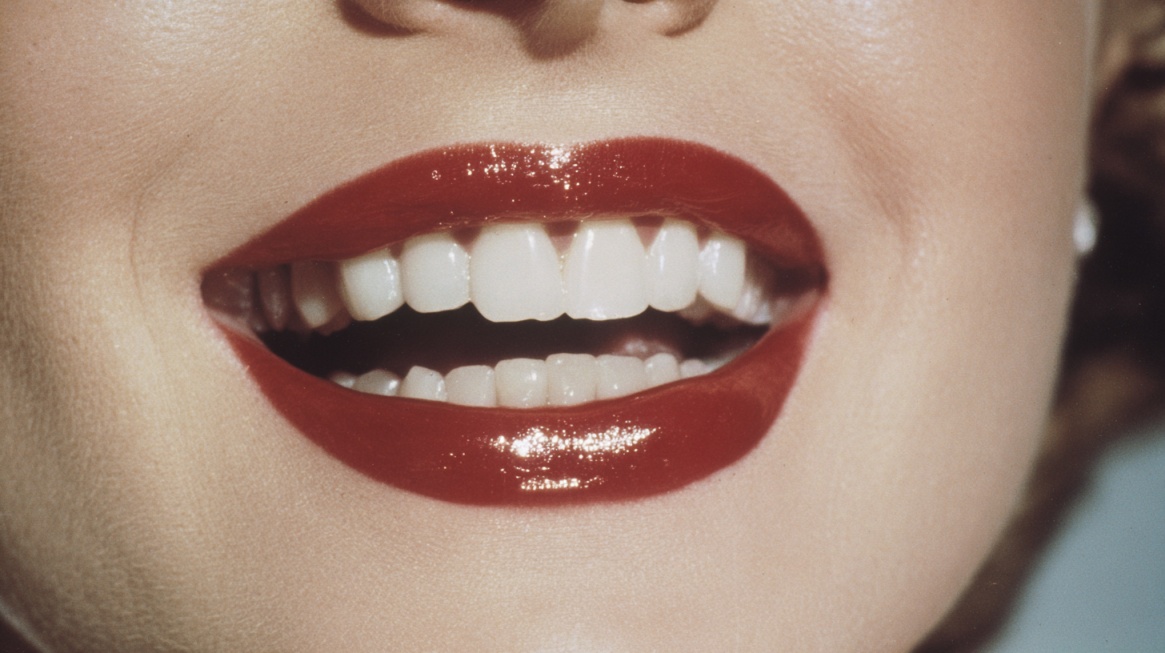
Progress continued in the 1960s, when bonding methods became stronger and more reliable. Those improvements helped dentists move away from the short-term limitations that defined early veneers.
Greater bonding strength made veneers more stable during normal daily use, which was essential if they were going to work outside a studio setting. A cosmetic restoration could not become widely accepted unless patients could wear it with much more confidence in ordinary life.
Another major improvement came in 1982, when adhesive performance advanced again.
That stage helped push veneers further away from their origins as a temporary cinematic solution.
Better adhesive systems improved retention, durability, and overall practicality, making veneers more attractive for patients seeking long-term smile enhancement.
- 1928 marked Pincus’s early veneer work for film actors.
- 1959 brought Buonocore’s etching breakthrough.
- 1960s bonding improvements increased practical strength.
- 1982 adhesive progress helped establish veneers as a durable cosmetic option.
FAQs
Summary
Hollywood smile began in the film industry, and Dr. Charles Pincus was the person most directly responsible for its earliest form in 1928.
His veneers gave actors a fast way to improve their appearance on camera at a time when permanent cosmetic dentistry was not yet possible.
Over time, later advances in etching, adhesion, and restorative materials changed that temporary method into a lasting treatment.
What started as a short-term solution for film performers became a standard practice in modern cosmetic dentistry, with many celebrities having their smile transformed.

#Hollywood #Smile #Invented #WhoWiki.org
