
Rapid growth in earlier years focused on spec competition such as motor power, peak wattage, and inflated range claims.
Current conditions show a shift toward compliance, verified performance, and safety credibility. Marketing claims are giving way to standards-based validation across the industry.
Rising scrutiny by regulators and media has intensified after multiple battery fire incidents and widespread availability of low-quality imports.
Brand value now depends on trust, certification, and legal compliance rather than headline specifications.
Let’s talk about it.
Macro Market Overview (2026)
Global demand continues to expand, though growth has stabilized compared with early boom years.
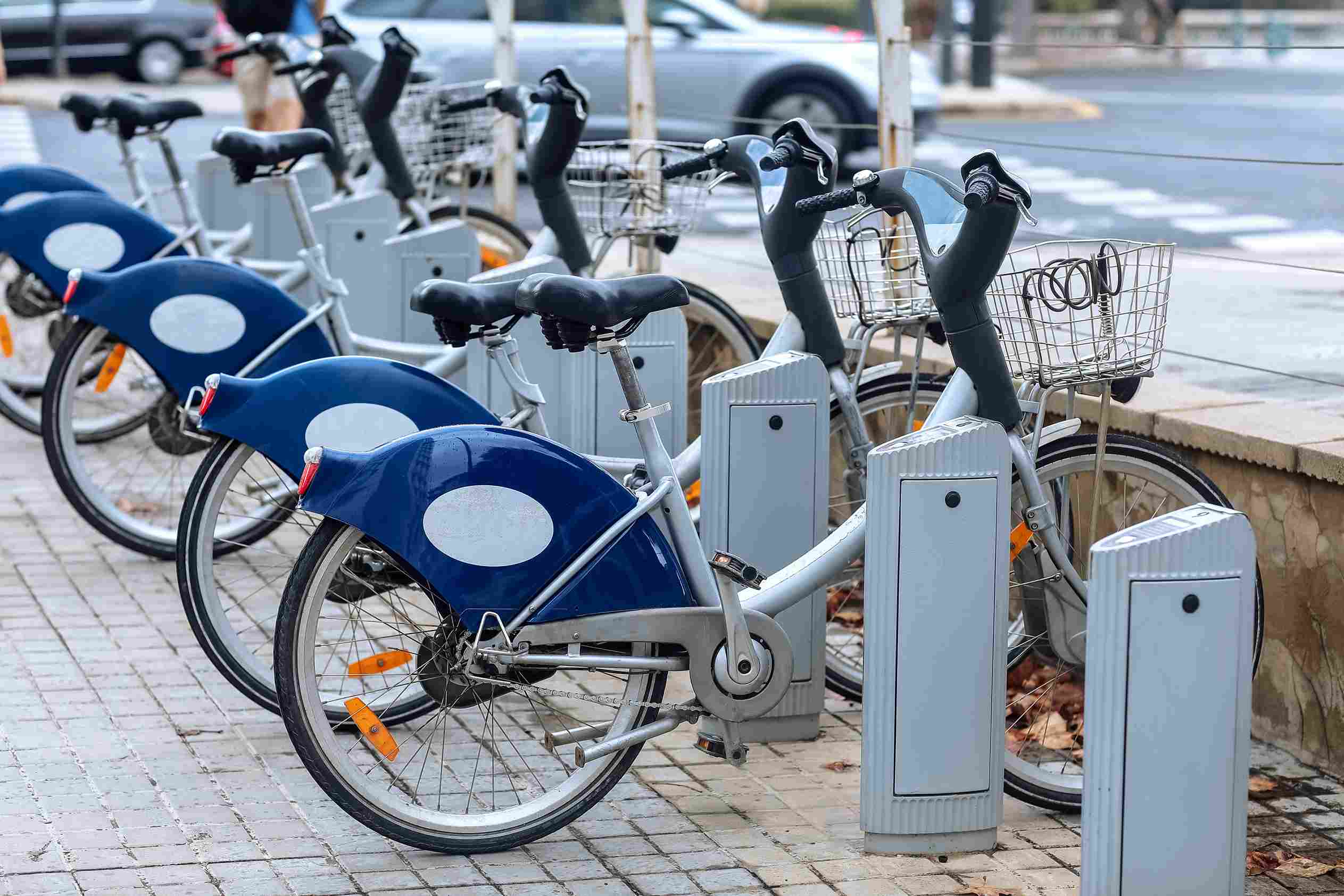
Adoption remains strong across urban environments where congestion, fuel costs, and infrastructure constraints push commuters toward alternative mobility solutions.
E-bikes are increasingly viewed as practical transportation rather than recreational products.
- Urban commuting supported by cost savings and reduced travel time in congested areas
- Last-mile delivery expansion linked to e-commerce logistics and fleet electrification
- Cargo applications replacing small vans in dense cities due to regulatory incentives and access advantages
Market consolidation is becoming more visible. Regulatory pressure and rising compliance costs are forcing weaker or non-compliant brands out of the market.
Smaller manufacturers with limited engineering resources struggle to meet certification requirements, while larger players gain share through compliance readiness and supply chain control.
Product Evolution
Product design is shifting away from overpowered configurations toward regulation-aligned systems.
Power output is increasingly calibrated to meet legal thresholds, typically between 250W and 750W, depending on regional frameworks.
Manufacturers are prioritizing consistency in performance rather than peak output figures.
Segmentation is expanding across multiple categories, reflecting more defined use cases. Growth is particularly strong in commercial segments, where functional requirements differ significantly from consumer models.
Integrated systems are becoming standard across mid-range and premium products.
Built-in batteries, often non-removable, are increasingly adopted to improve safety compliance and reduce tampering risks.
Proprietary ecosystems that combine motor, controller, and battery into a unified architecture are replacing modular setups.
- Reduced focus on peak wattage marketing claims
- Increased emphasis on durability testing and long-term reliability
- Alignment with certification requirements as a core design constraint
Safety Rules Reshaping the Industry
Now, let us take a look at the safety rules that completely reshaped the industry.
Stricter Regulations Worldwide
Regulatory tightening is accelerating across major markets, including the United States, the United Kingdom, and the European Union.
Enforcement of speed caps and power limits is becoming more consistent, reducing tolerance for non-compliant designs.
- European Union maintains a 25 km/h limit with pedal-assist-only operation under EPAC rules
- United States applies a Class 1, 2, and 3 system with varying speed and throttle permissions
- United Kingdom follows similar restrictions to the EU with additional enforcement focus
City-level policies are addressing fire risks linked to battery storage and charging indoors.
Local authorities are introducing stricter rules for residential buildings, commercial spaces, and shared mobility operators.
Battery Safety as a Central Issue
Lithium-ion battery fires, often associated with commonly used cells such as the 18650 battery, have become the primary trigger for regulatory action.
Incidents involving low-quality batteries and improper charging practices have raised public concern and accelerated policy changes.
- UL 2849 covering system-level electrical and fire safety
- UL 2271 focused on battery pack safety
- EN 15194 governing electric bicycles in the European Union
Commercial consequences for non-compliance are becoming severe. Products lacking certification face increasing barriers across distribution channels.
Enforcement Trends
Authorities are transitioning into active enforcement, shifting focus from guideline creation to market control.
Regulatory bodies are increasing oversight at multiple points across the supply chain.
- Retail inspections targeting uncertified imports
- Customs checks at ports to identify non-compliant shipments
- Verification of documentation tied to safety certification
Insurance requirements are also tightening. Providers now require documented proof of certification before issuing liability coverage, particularly for commercial operators and delivery fleets.
- Mandatory certification documentation for product listings
- Automated removal of non-compliant products
- Increased seller verification processes
Certification Pressure and Industry Impact
Certification has moved into a central role in shaping competition and operational strategy.
Compliance requirements now influence nearly every stage of product development and market entry.

Compliance as a Competitive Moat
Certification has shifted into a baseline requirement rather than a premium feature.
Competitive positioning increasingly depends on the ability to demonstrate compliance through verified testing and transparent documentation.
Legal defensibility in product claims is becoming critical. Regulatory scrutiny and potential litigation are forcing companies to validate every performance statement.
- Financial penalties tied to misleading claims
- Product recalls due to safety risks
- Long-term reputational damage affecting brand trust
Manufacturing and Supply Chain Implications
Testing requirements are expanding across multiple technical domains, increasing both cost and complexity.
Mechanical, electrical, thermal, and vibration testing are now standard parts of product development cycles.
Engineering teams are facing longer timelines due to iterative redesign processes required to meet certification standards. Product development is becoming more resource-intensive.
Frame compliance under EN ISO 4210 is emerging as a major constraint.
Structural integrity must be validated under demanding conditions, especially for cargo and high-load applications.
- Fatigue testing under repeated load cycles
- Load validation for heavy cargo use
- Structural durability under varying environmental conditions
Certification delays are creating operational challenges. Missed launch timelines can disrupt sales cycles and lead to excess inventory.
- Inventory buildup due to delayed approvals
- Cash flow strain linked to extended development timelines
- Higher upfront investment in compliance infrastructure
Standardization Across Markets
Regulatory fragmentation continues to complicate global expansion. Differences between regions require manufacturers to adapt products to multiple compliance frameworks.
- European Union limiting power to 250W with strict pedal-assist requirements
- United States allowing higher power levels through class-based categorization
- Variations in throttle usage rules across jurisdictions
Manufacturers are responding with two main approaches. Some develop region-specific models tailored to local regulations. Others create global platforms that can be adjusted or detuned to meet different standards.
Efforts toward harmonized safety standards are gaining traction, though alignment remains incomplete. Lack of full standardization continues to increase development costs and operational complexity.
Technology Trends Supporting Safety
Technology development is increasingly aligned with safety and compliance goals.
Engineering efforts are focused on preventing failures, improving monitoring, and ensuring consistent performance under regulated conditions.
Battery Innovation
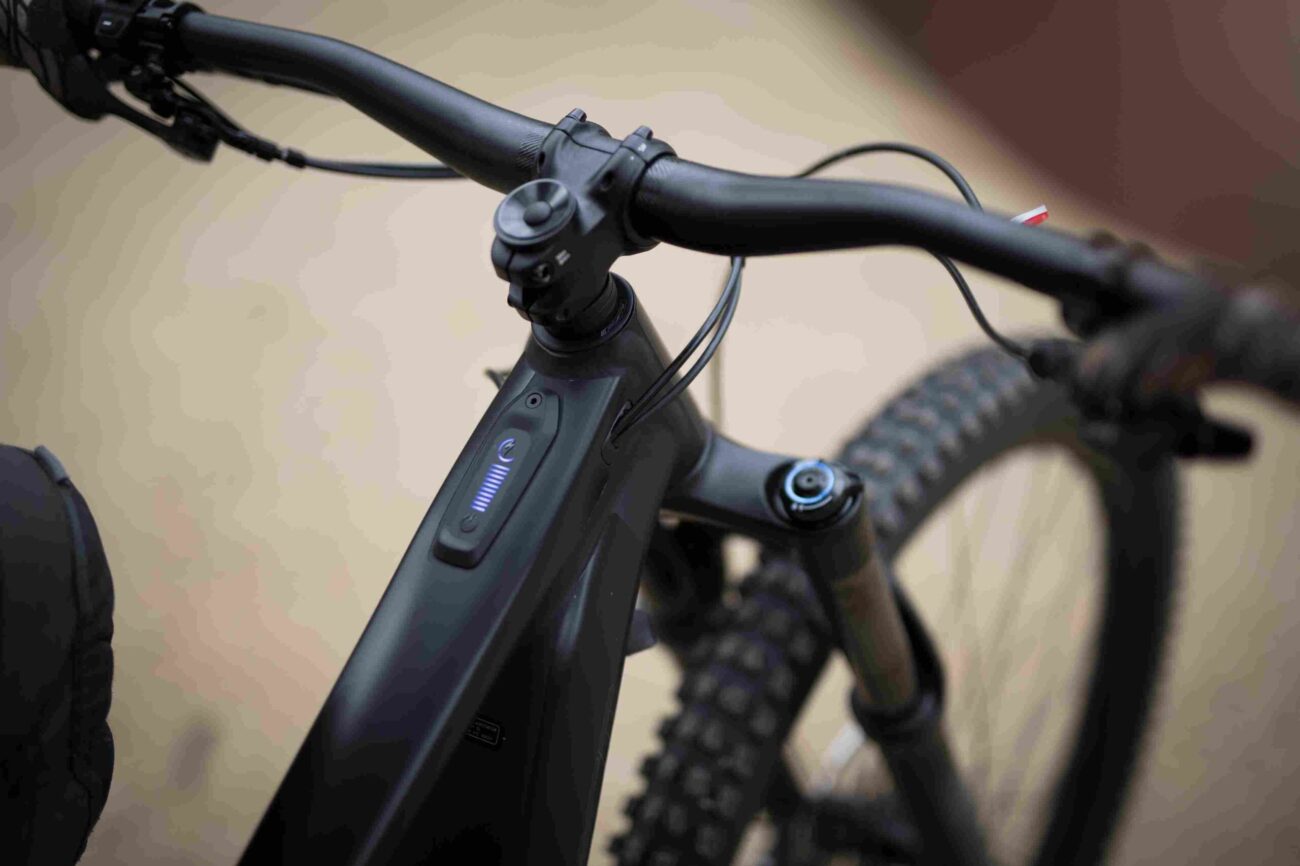
Advanced Battery Management Systems are now standard across most products. These systems actively monitor and regulate battery performance to prevent critical failures.
Structural integration of batteries into the frame is reducing tampering risk and limiting compatibility with unsafe third-party chargers. Design changes are improving both safety and durability.
Traceability is becoming a key requirement. Manufacturers are tracking battery cell origin and supplier quality to ensure consistency and compliance.
Smart Safety Systems
Diagnostic systems are becoming more sophisticated. Real-time monitoring allows continuous assessment of battery health and system performance.
- Early fault detection based on performance anomalies
- Automated shutdown protocols in unsafe conditions
- Data logging for maintenance and compliance verification
Firmware-controlled performance limits are increasingly used to enforce compliance.
Speed and power outputs can be restricted through software, reducing the risk of user modifications that violate regulations.
Built-in Safety Features
Design priorities are shifting toward compliance-focused engineering.
Reliability under daily use conditions is becoming as important as performance.
Cargo-specific designs are also improving safety through better load distribution and structural reinforcement, reducing the risk of instability during operation.
What are the Main Buyer Concerns in 2026?

Consumer behavior is changing as awareness of safety risks and regulatory requirements increases.
Purchase decisions are increasingly influenced by compliance, reliability, and long-term cost considerations.
Safety and Reliability Anxiety
Consumer awareness of battery-related risks is high. Media coverage of fires and recalls has increased sensitivity to safety issues.
- Preference for certified products with verified safety credentials
- Increased reliance on established brands with proven track records
- Reduced trust in low-cost alternatives lacking documentation
Demand for Transparency
Expectations for transparency are rising. Buyers want clear evidence of compliance and realistic performance claims.
- Visible certification labels such as UL and CE markings
- Accurate range estimates based on real-world usage conditions
- Clear disclosure of power ratings and system limitations
Skepticism is growing toward exaggerated claims. Products advertising inflated wattage or offering non-compliant performance modes face increasing scrutiny.
Legal and Usage Concerns
Confusion around classification systems continues to affect purchasing decisions. Differences between United States class structures and European EPAC rules are not always clear to consumers.
- Legality of throttle-enabled bikes in specific regions
- Restrictions on speed and power in public spaces
- Compliance requirements for commercial use
Risks tied to non-compliance are influencing behavior. Buyers are concerned about fines, product confiscation, and invalidation of insurance coverage.
Cost vs Value Shift
Evaluation is shifting toward total cost of ownership. Initial purchase price is no longer the only factor in decision-making.
- Maintenance costs over the product lifecycle
- Battery replacement expenses and longevity
- Long-term compliance with evolving regulations
Service infrastructure is also becoming a deciding factor. Availability of certified repair networks and warranty coverage is influencing brand selection.
- Verified safety and certification
- Reliable performance over time
- Reduced legal and regulatory risk
Summary
2026 marks a structural shift toward a compliance-first industry.
Safety certification, legal alignment, and transparency now define competitiveness and influence purchasing decisions.
Brands investing in verified safety, strong engineering, and regulatory alignment are positioned for long-term leadership in the global e-bike market.
Read More: Check out our article on fleet management software if you’re running a business that depends on vehicles.

#EBike #Market #Trends #WhoWiki.org
