
Product prep affects much more than packaging. For ecommerce sellers, it can influence product protection, fulfillment speed, storage efficiency, customer satisfaction, and return rates. When an item arrives clean, secure, and correctly labeled, the whole buying experience starts on a stronger note.
As order volume grows, small prep mistakes can turn into expensive problems. Weak packaging may lead to damage, missing labels can slow down fulfillment, and poor organization can create avoidable delays. A clear prep process helps sellers stay consistent, protect margins, and keep orders moving with fewer issues.
Why Proper Product Preparation Is Important for Ecommerce Sellers?

Proper product preparation affects much more than packaging alone. It helps protect items in transit, improves order accuracy, supports faster fulfillment, and reduces avoidable returns. For ecommerce sellers, small prep mistakes can quickly lead to damaged orders, shipping delays, customer complaints, and extra costs.
A solid prep process usually includes inspection, labeling, protective packaging, bundling, and final checks before shipment. When those steps are handled well, products move through storage and shipping more smoothly and arrive in better condition. That gives sellers a stronger chance of keeping operations efficient and customers satisfied.
Damage Prevention
Products pass through storage, handling, packing, and delivery before they reach the buyer. Weak prep can lead to broken seals, scratched items, crushed packaging, or missing parts. Better protection lowers that risk and helps sellers avoid refund and replacement costs.
Better Order Accuracy
Clear labeling and organized prep make it easier to pick, pack, and ship the right item. That matters even more for sellers handling bundles, size variations, color options, or multi unit orders.
Faster Fulfillment
Well prepared inventory is easier to receive, store, and ship. A cleaner process saves time, reduces confusion, and helps teams keep orders moving during busy periods.
Lower Return Risk
Returns do not always come from product quality alone. In many cases, the problem starts with poor prep, including transit damage, incomplete orders, or poor presentation on arrival.
Improved Customer Experience
Customers notice condition first. Clean packaging, correct labeling, and complete contents create a better first impression and can support stronger reviews and repeat orders.
Product Prep Steps Every Ecommerce Seller Should Follow
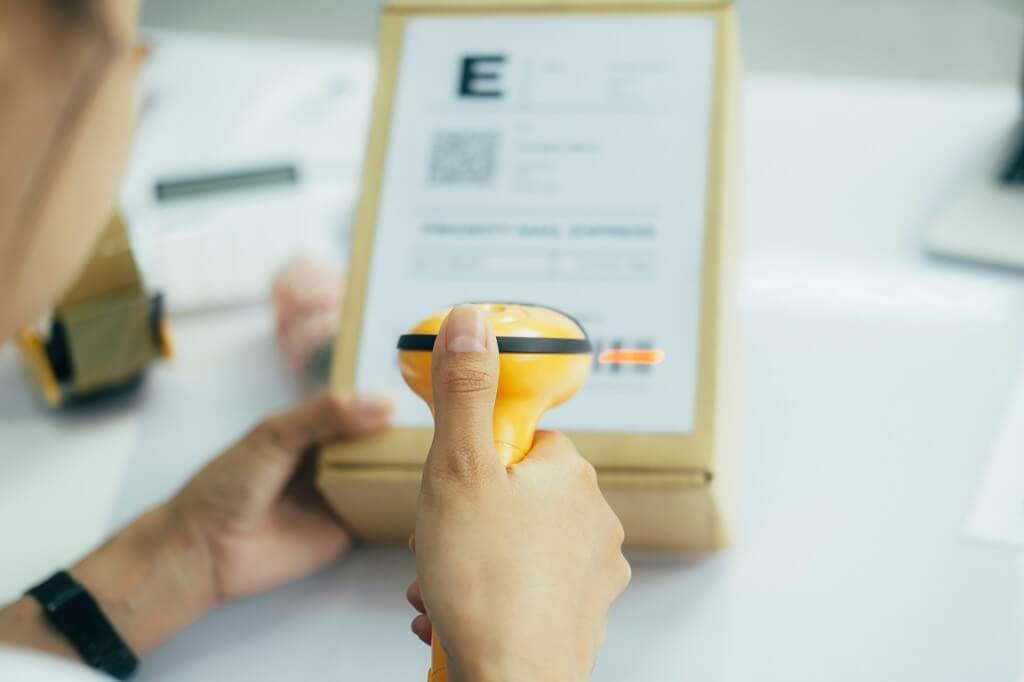
Once order volume starts to grow, product prep needs a clear system. A scattered process leads to missed labels, damaged packaging, mixed variations, and slower fulfillment. Sellers who want smoother operations need a workflow that keeps products ready for storage, shipping, and daily order handling.
For many growing brands, that is also the point where support from an FBM prep center becomes more relevant.
A reliable FBM prep center can help sellers handle inspection, labeling, packaging, bundling, and order prep in a more consistent way, especially when inventory moves through Amazon FBM and other sales channels at the same time.
Start With Product Inspection
Every prep process should begin with a basic quality check. Products should be reviewed for visible damage, missing parts, broken seals, wrong variations, or retail packaging issues before they move any further.
Sellers usually need to confirm:
- correct item
- correct size or variation
- clean condition
- complete contents
- sellable packaging
Skipping inspection can allow small problems to move deeper into the fulfillment process, where they become harder and more expensive to fix.
Keep Labeling Clear and Consistent
Labels guide the whole flow of inventory. When barcode placement is messy or product details are unclear, picking and packing become slower and mistakes become more likely.
A better approach is to keep labeling consistent for every unit:
- place barcodes where they stay easy to scan
- keep SKU details readable
- separate similar variations clearly
- avoid covering important product information
Use Protective Packaging That Fits the Product
Not every product needs the same level of protection. Fragile goods, liquids, apparel, beauty items, and bundled products all need different prep choices. The goal is simple: protect the item without creating unnecessary bulk or wasted material.
That usually means:
- poly bags for products that need clean outer protection
- bubble wrap for breakable items
- secure sealing for liquids
- edge protection for delicate packaging
- tighter outer packaging to reduce movement in transit
The right packaging choice helps lower damage risk and keeps the order looking more professional on arrival.
Prepare Inventory for Faster Picking and Packing
Once products are labeled, protected, and sorted properly, they become much easier to store, find, and ship.
Common Mistakes That Lead to Delays and Returns

Even strong products can create problems when prep standards slip. A few repeated mistakes tend to show up in damaged orders, slower fulfillment, and avoidable customer complaints.
Inadequate Protection for Fragile or Sensitive Items
A product may look fine on the shelf and still arrive in poor condition after handling and delivery. Glass, cosmetics, supplements, electronics, and boxed retail items all need protection that fits the product, not a one size approach.
Common issues include:
- too much empty space inside the package
- weak sealing
- no leak protection for liquids
- no corner or surface protection for retail packaging
- loose items shifting during transit
Inconsistent Labeling
Unreadable or badly placed labels create trouble fast. Staff may need extra time to identify items, scan rates can slow down, and similar variations can get mixed up.
Problems usually start with:
- labels placed over seams or curved surfaces
- missing SKU details
- barcodes covered by outer wrapping
- poor separation between sizes, colors, or bundles
How To Build a Product Prep Process That Saves Time?

A better prep process does not need to be complicated. It needs to be repeatable. When each unit moves through the same sequence, order handling becomes faster and fewer mistakes slip through.
Use One Standard Flow for Every Unit
A simple sequence keeps work organized and easier to manage during busy periods.
A practical flow usually looks like this:
- receive inventory
- inspect condition
- sort by SKU or variation
- label each unit
- add protective packaging
- bundle when needed
- complete a final check
- move stock to ready to ship storage
Group Similar Products Together
Products that need similar handling should move through prep in batches. That reduces stop and start work and helps staff stay accurate.
Batching works well for:
- apparel with folding and bagging needs
- liquids that need seal checks
- fragile units that need bubble wrap
- bundles with the same insert or pack format
Keep Prep Materials Easy To Reach
Time gets lost when tape, bags, labels, inserts, and protective materials are scattered around the work area. A cleaner station helps staff work faster and with fewer interruptions.
Keep the main supplies near the prep space:
- barcode labels
- poly bags
- bubble wrap
- void fill
- tape
- size or variation markers
- bundle stickers
Final Thoughts
Product prep has a direct effect on how smoothly an ecommerce business runs. It shapes order accuracy, shipping speed, product protection, and the condition in which buyers receive each order. When prep is handled well, sellers can reduce avoidable mistakes, lower return risk, and keep fulfillment more organized as volume grows.
For smaller sellers, a simple in house prep routine may be enough early on. As operations expand, the process usually needs more structure. That is where a reliable FBM prep center can become a useful part of the business, especially for sellers managing Amazon FBM and multichannel orders from one inventory pool.

#Simple #Guide #Product #Prep #Ecommerce #Sellers #WhoWiki.org
